
Finding Oneida County Residents
Oneida County keeps no master roll of residents. The question shapes the path. A current street address belongs first in the county property database and the parcel map. A known name opens other doors. Try a registration result, a recorded land document, a civil docket, or a dated library source. Each lead carries a different meaning. A tax record names a listed owner or taxpayer, and a deed names recorded parties. A directory entry is only a time-bound household snapshot, so none of these proves that everyone at an address is the same person.
Keep spelling, town, and date with every result. Oneida County has three cities, 26 towns, and 16 villages, and familiar street names repeat across them. A stalled index is not the end. An in-office terminal, a municipal clerk, a library researcher, or a Freedom of Information Law request can still reach an existing record. Match the channel to the record.
- Search the county property database by address, parcel identifier, or owner name when those controls are available. Save the situs address, tax mailing address, and parcel key separately.
- Use the parcel viewer to check the municipality, parcel geometry, and nearby boundary context before treating an address as unique.
- For a known person, use the New York voter look-up only as a named registration and polling confirmation.
- Follow a recorded owner through the County Clerk's deed index, using the legal description and date rather than a street name alone.
- For an earlier household, consult Utica Public Library directories, newspapers, and census material, then ask the appropriate custodian about any missing record.
Oneida County Record Custodians
Record custody in Oneida County splits across several offices. The County Clerk records land documents and maintains SearchIQS. Real Property Services links to countywide assessment and tax-roll material built from local assessor work. The Board of Elections helps a voter with their own registration record. Vital records take a different route. Birth, death, and marriage certificates sit with the event city or town registrar or the New York State Department of Health, not the County Clerk.
Real Property Services
County assessment and tax-roll records
Oneida County, NY
Use the county department contact
Board of Elections
321 Main Street, 3rd Floor
Utica, NY 13501
315-798-5765
Address-led work has its own record chain. The Oneida County street directory separates the parcel, tax mail, deed, and historical-address evidence that often looks contradictory.
Oneida County Property Leads
The Oneida County property database offers owner-name and address searching. Start with the physical, or situs, address. Keep the tax mailing address as a separate field. It can point to an owner elsewhere, a post office box, an entity, or an older tax-roll entry. That evidence helps, but it is not a household list. The parcel identifier, municipality or SWIS code, and legal description give the stronger bridge from a street address to a recorded deed.
The assessment-roll archive holds municipal PDFs for year-by-year comparison. A change in listed owner, class, exemption, or tax mailing address may explain a later result. Each item is dated evidence. Oneida County's three cities, 26 towns, and 16 villages make the municipal label critical when the address uses Main, Church, Washington, Genesee, or another repeated street name.
Parcel fields change with the county interface. Check the live record before logging any value. Old rolls and current parcel results often disagree. Keep both years side by side, then ask the assessor or Real Property Services which record controls the question at hand.
Check the Real Property Services overview before relying on any parcel field. Local assessors determine assessments. The county maintains the broader tax-roll information. Knowing which office owns which answer keeps the resident lookup trail clean.
Oneida County Voter Checks
The New York State Voter Registration Look-up is a named-person tool. The state lookup screen asks for last name, first name, date of birth, county, and a current ZIP or address detail. The result is a limited registration and polling lead. A no-match can mean many things. Spelling, a recent move, list maintenance, a protected record, or the wrong county can all explain it. That never proves someone never lived in Oneida County.
The full voter file follows different rules. New York Election Law restricts voter-registration information from the Board for non-election uses. Protected voters are not an ordinary address source. Ballot choices stay out of any inquiry. A voter who needs to correct or question a registration should work with the Board of Elections rather than a public search result.
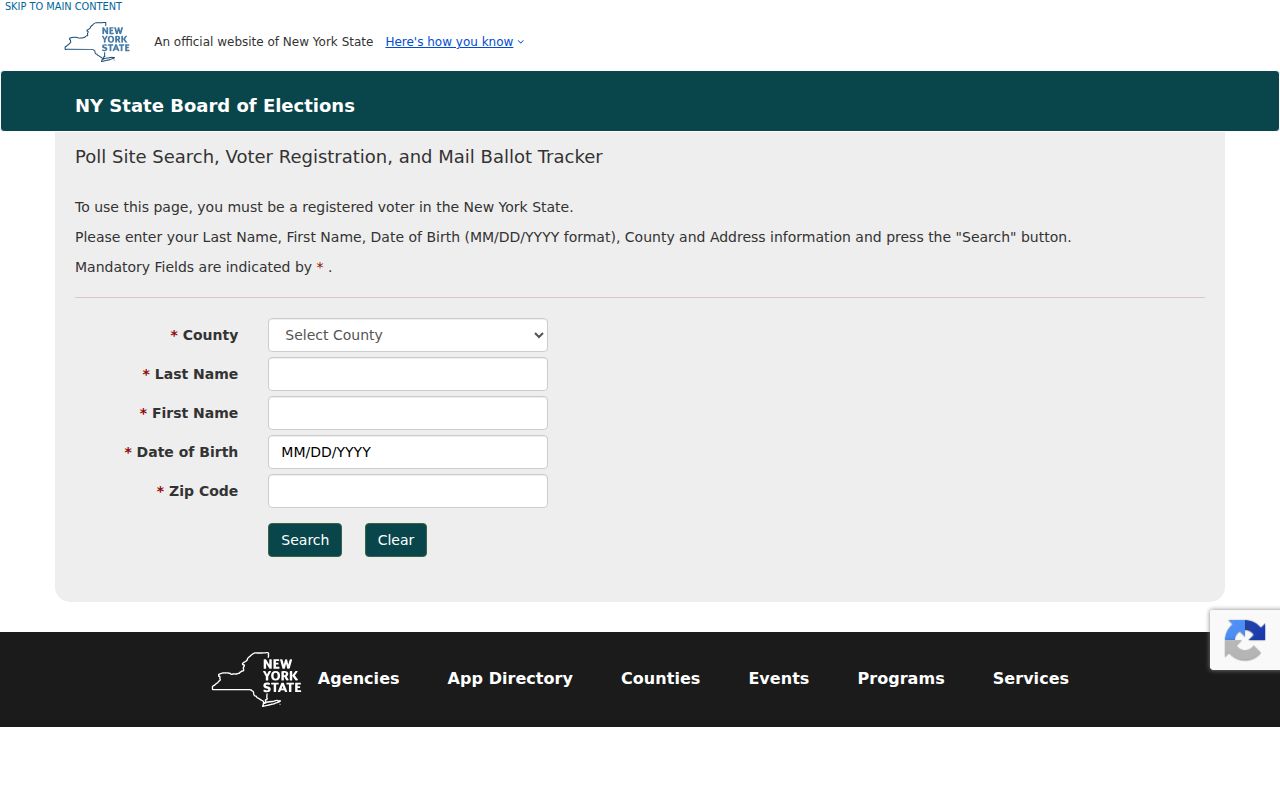
The fields confirm a match. Use them once another record supplies name and locality.
Note: A public lookup result stays narrower than the voter file that election authorities release under statutory conditions.
Oneida County Deed Index
The County Clerk's SearchIQS guest search reaches the deed index by several angles. Party 1 and Party 2 both work. So do date ranges, document groups, and descriptions. Town, book and page, instrument number, and case number serve as search fields too. Pair a party search with the legal description, the recording date, and the parcel identifier. Trust it only then. A deed proves who conveyed an estate, but its party address may be stale. It could be an attorney's office or an estate contact instead of a home.
Oneida's public record legend marks the split plainly. Index and data run from 1963 through 1974. From 1974 forward, images join the index. Older conveyances need the Clerk's archival books, microfilm, or an in-office search route. Free self-search runs on the office's public computers during stated weekday hours. A mailed name search is priced by two-year period, so keep the date range tight. Copy, certification, and delivery charges sit outside that fee. Start at the County Clerk records page. It anchors both the index and the in-person fallback.
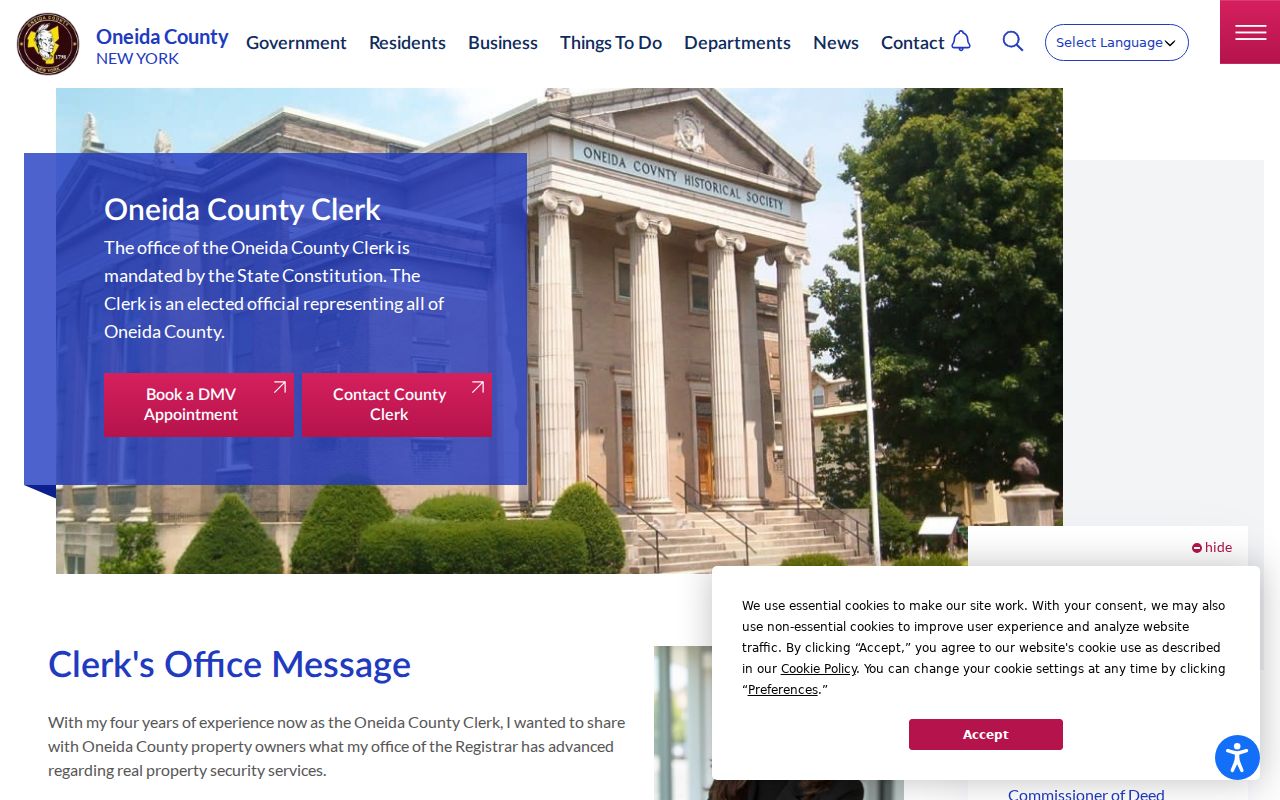
Deed digitization gained staff in 2023, and a map scanner arrived in 2024. Those investments widen access gradually rather than putting every historical image online at once.
Oneida County Resident Sources Today
Oneida County's directory-like sources overlap without ever merging into a master roll. The right source answers the exact question you bring to it. A property database ties a taxpayer or owner to a parcel. A deed index ties named parties to a recording. A voter tool confirms one named registration, within its own limits. Court files, business filings, credentials, and custody records each carry their own scope, and reading them inside that scope is what keeps a lookup honest.
| Oneida County source | What a hit can establish | Custodian | Access route |
|---|---|---|---|
| Parcel and tax-roll data | Listed owner or taxpayer, situs, tax mail, and parcel clues | RPTS and local assessors | County database, roll archive, or custodian request |
| Recorded land index | Parties, dates, legal descriptions, and recording references | County Clerk | SearchIQS, office computer, or search request |
| Registration lookup | Limited named registration and polling information | State and county elections offices | State web look-up or voter services |
| Civil and probate indexes | Public case or estate party lead | Courts and Clerk | eCourts, NYSCEF, WebSurrogate, or clerk |
| Professional and entity records | Credential or business connection | State agencies and County Clerk | Official status searches and filings |
An official index is usually free or tied to a custodian's stated copy process. Commercial compilations sit on the other end. They can run stale and merge different people who share a name. Some drop the record date entirely. Primary records keep the source, the time, and the record type visible. That is why they hold up better.
Checking a Oneida County Name
A solid Oneida County resident match rests on at least two independent details. Compare a middle initial against a date range. Or compare a municipality against an occupation. A business connection can serve as the second point. So can a relative, a prior address, or a parcel legal description. A common name plus a postal label is not enough. A current owner record and an older court address can both be accurate. They may simply point at different years of the same life.
| Term | Meaning in a record search |
|---|---|
| Parcel | A tax-map unit tied to a physical situs and an identifier, not a list of everyone present there. |
| Index | A searchable set of record references; an index hit may not include the underlying image. |
| Legal description | The title description that connects a deed to land more reliably than a street label alone. |
| Criss-cross directory | An address or street section in a directory, when that particular volume provides one. |
Keep a small evidence log. Record the source, access date, record year, exact name, address form, and your reason for the match. That habit makes a same-name mistake far easier to catch.
Oneida County Court and Probate
Civil cases in Oneida County can be searched through New York court systems. Coverage varies by county and case type. NYSCEF supports searching by case identifier, party, court, county, and date. It also handles certain tax-cert and SCAR modes. The County Clerk's civil records have their own local coverage. The public legend shows civil index and data from 1992 to September 2012. After that, it offers index and images. A docket party might be a plaintiff, defendant, attorney, fiduciary, agency, or witness. That role alone never establishes a home address.
Probate runs on a separate track. WebSurrogate searches party or decedent names, dates of death, file numbers, old indexes, and index-book pages. An estate can identify an executor or heir. Still, confidential personal information may be redacted. A fiduciary's address can differ from the decedent's. Juvenile matters, sealed files, adoptions, restricted family cases, and criminal-history material are not a general public name-search layer. The County Clerk court-records page spells out where the web access ends and the terminal begins.
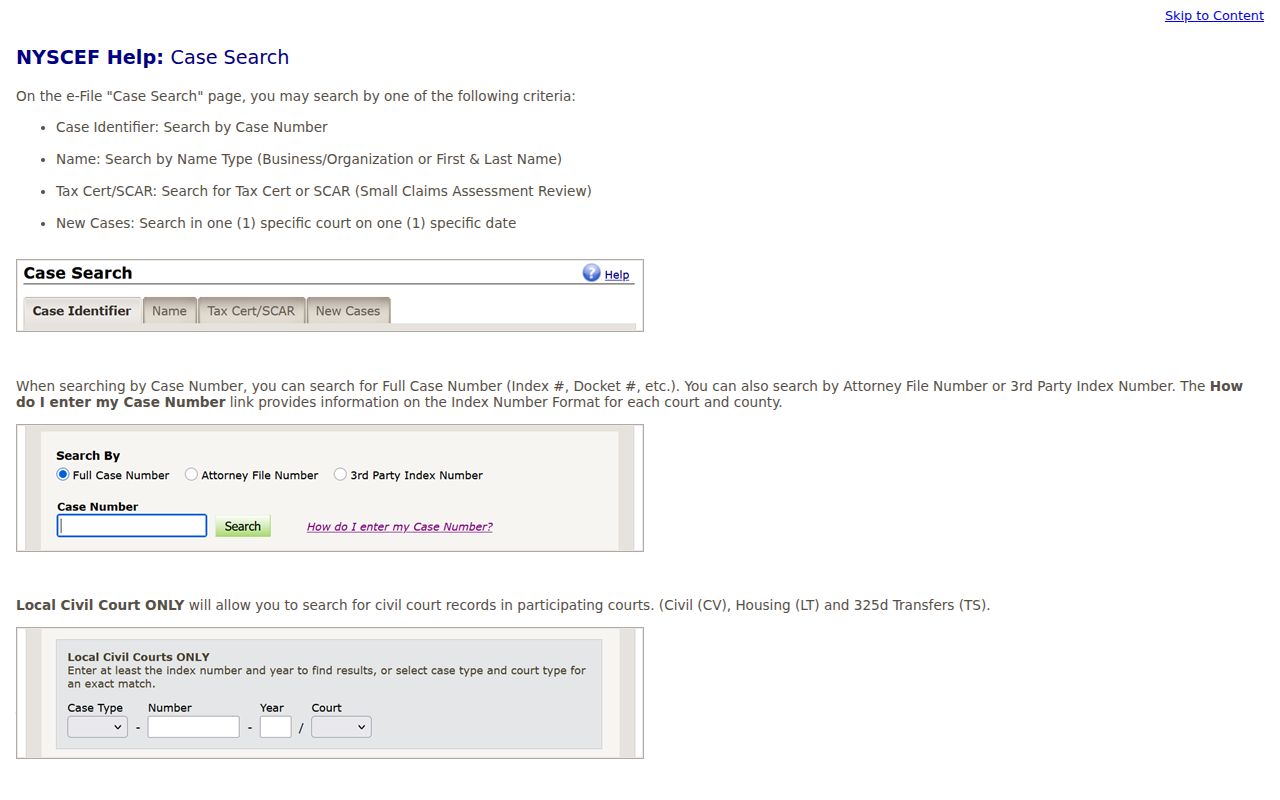
Treat a court hit as a dated record, not a personal profile. The court, case number, filing date, party role, and public-status notice give it context.
Oneida County License Records
A state credential or entity filing can separate two same-name people. Read it as a business or professional connection. The Department of State licensee search filters by last name, first name, and type. It also filters by county, city, and ZIP. NYSED verification goes further for licensed professions. It covers name or license number, profession, location, status, original date, and discipline. Neither source promises that the listed location is a private residence. Their terms also restrict harvesting and republishing. The NYSED online verification instructions lay out the official search choices.
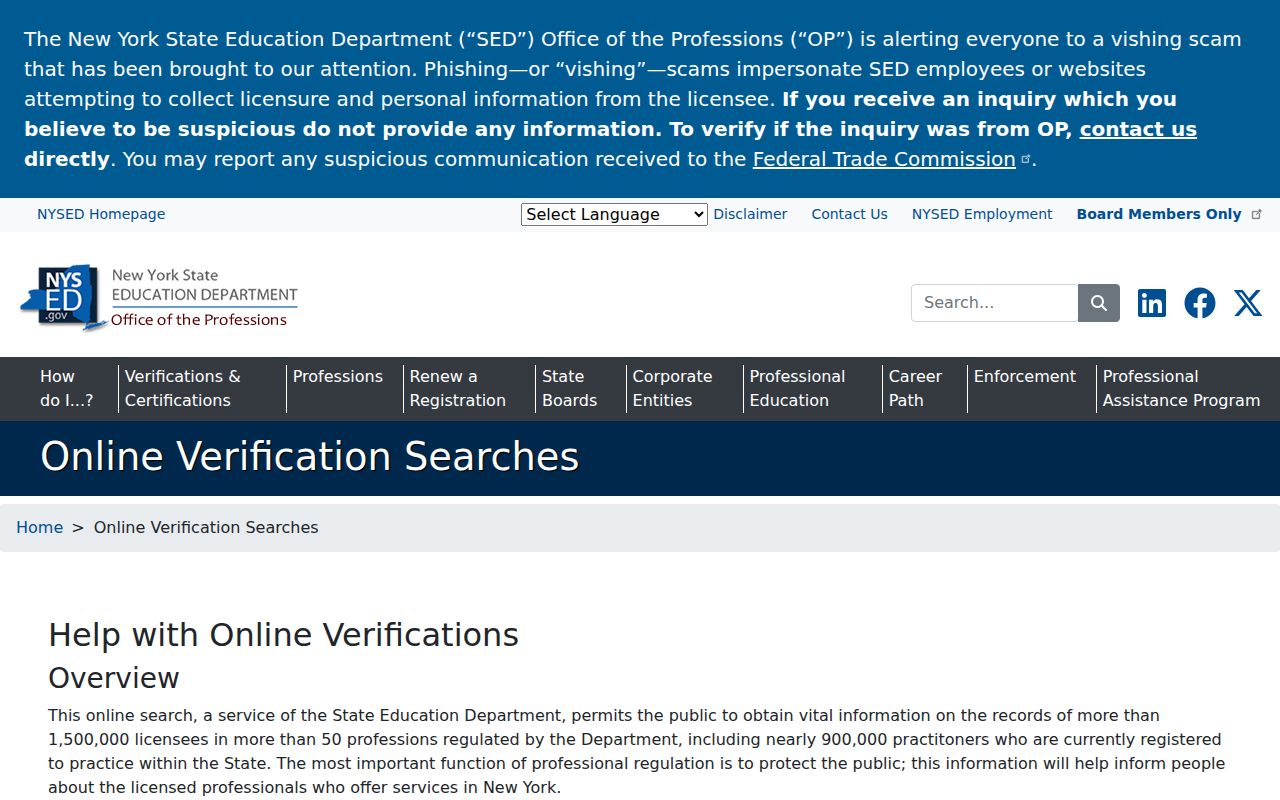
License status can corroborate identity details already present in an Oneida County record. It should not replace a parcel, deed, or historical directory source.
Oneida County ZIP Geography
Oneida County's current New York FIPS cross-reference lists 63 ZIP codes. Treat that count as a completeness check. It does not promise each delivery area lies wholly inside the county. Utica, Rome, New Hartford, Oneida, Sherrill, lake-edge communities, and rural places all crowd the local postal picture. Special-use codes crowd the picture too. A postal city, a tax municipality, a village, and a census place can each label the same spot differently. The county boundary adds yet another label for the same physical place.
Let USPS verify the deliverable address first. Then bring in the tax parcel and GIS layers for the legal situs and municipality. The property database offers no confirmed ZIP-wide public filter. The voter tool works only by named person. SearchIQS documents a town filter, not a demonstrated ZIP filter. That 63-code edge test keeps a postal label honest. It stops that label from being mistaken for a municipal resident boundary.
Note: A ZIP code is delivery geography. A parcel PIN and legal description identify the land record.
Oneida County Privacy Boundaries
Public records in Oneida County stop at clear lines. Some information is shielded by design. The New York Address Confidentiality Program issues substitute addresses to qualifying participants. It can shield their voter rolls entry too. Motor-vehicle addresses sit behind federal and state privacy rules. They do not appear in open parcel or deed files. Vital certificates go only to people who meet statutory eligibility. Sealed court matters, adoption files, juvenile records, and protected safety information all stay outside any general residents directory or resident lookup. Even a recorder's public deed deserves care. It should not be republished with sensitive identifiers that serve no purpose.
The Sheriff's inmate list is narrow by nature. It shows current custody only, refreshed about every six hours. It is not a historical record. It is not a finding of guilt. Anyone relying on an entry should confirm the agency and date first. The Oneida County Sheriff's current inmate list displays the roster fields along with its update notice.
One agency roster with a six-hour refresh cycle is just that. It cannot stand in for a court disposition or a fuller Oneida County resident record, and treating it as either invites error.
Oneida County Directory History
For older Oneida County households, Utica Public Library holds the deepest local shelf. Its genealogy collection includes Utica city directory volumes beginning in 1817. It also holds local histories, yearbooks, vital-index microfiche, census material, and Utica newspaper microfilm starting in 1825. The digitized Utica run reaches 1951 with gaps. Many volumes fold in nearby communities. These include New Hartford, Whitesboro, Yorkville, Oriskany, Clinton, and Waterville. So a volume headed "Utica" may be a regional street directory lead. It is not proof of a modern city boundary.
The New York State Library's microforms extend named Utica, Rome, and Oneida runs. The Oneida County History Center takes appointments when a scan stops mid-page. Read each directory's abbreviation key. Note the volume year and page. Then pair the household with census, obituary, probate, and deed evidence before drawing conclusions. The Oneida County historical directory collection holds the detailed year runs. It also holds the full tracing method.